Winter transforms Europe into a magical wonderland where centuries-old traditions, festive celebrations, and natural beauty combine to create unforgettable experiences. From the twinkling Christmas markets of Central Europe to the snow-capped peaks of the Alps, winter reveals a different side of the continent that many travelers overlook.
Having spent fifteen winters exploring Europe from Scandinavia to the Mediterranean, I've discovered that this season offers unique advantages: fewer crowds at major attractions, lower prices, cozy atmospheres, and authentic cultural experiences that summer tourism often obscures. This comprehensive guide shares the best European winter destinations and insider tips for making the most of your cold-weather adventure.
Vienna, Austria: Imperial Winter Elegance
Vienna transforms into a fairy tale during winter, with its Habsburg palaces draped in snow and the city center glowing with festive lights. The Austrian capital hosts over twenty Christmas markets, each with its own character and specialties. The most famous, at Rathausplatz in front of City Hall, features an ice skating rink surrounded by wooden chalets selling everything from handcrafted ornaments to traditional punch and pastries.

Beyond the markets, winter is perfect for experiencing Vienna's legendary coffeehouse culture. Historic cafés like Café Central and Café Sacher provide warm refuges where you can savor Sachertorte and Melange coffee while watching snow fall outside ornate windows. The city's museums, including the Kunsthistorisches Museum and Belvedere Palace, offer world-class art collections without summer crowds.
The Vienna Philharmonic's New Year's Concert is one of the world's most prestigious musical events, though tickets require advance planning. Throughout December and January, numerous concerts, operas, and ballets at venues like the State Opera House and Musikverein showcase Vienna's position as Europe's classical music capital.
Lapland, Finland: Arctic Winter Wonderland
For those seeking a truly magical winter experience, Finnish Lapland delivers with snow-covered forests, reindeer-drawn sleigh rides, and the mesmerizing Northern Lights. Rovaniemi, the official hometown of Santa Claus, combines authentic Arctic experiences with charming Christmas attractions that delight visitors of all ages.
The region's unique accommodations add to the adventure. Glass igloos allow you to watch the Aurora Borealis from the warmth of your bed, while traditional log cabins provide cozy bases for winter activities. Husky sledding through silent forests, snowmobiling across frozen lakes, and learning about Sami culture offer authentic Arctic experiences.
The extreme darkness of Arctic winter might seem daunting, but it creates a unique atmosphere. The brief hours of twilight bathe everything in beautiful blue tones, while the long nights maximize opportunities for Northern Lights viewing. December through March offers the best combination of winter activities and aurora chances, with February and March providing increasing daylight and slightly warmer temperatures.
Swiss Alps: World-Class Winter Sports
Switzerland's legendary ski resorts combine world-class facilities with breathtaking Alpine scenery. Zermatt, overlooked by the iconic Matterhorn, offers some of Europe's highest and most reliable skiing, with runs open even in summer on the glacier. The car-free village maintains traditional Swiss charm while providing luxury hotels, gourmet restaurants, and après-ski entertainment.
St. Moritz, twice host of the Winter Olympics, represents the pinnacle of Alpine luxury. Beyond excellent skiing and snowboarding, the resort hosts unique winter events including White Turf horse racing on the frozen lake and the Snow Polo World Cup. The Glacier Express train journey from Zermatt to St. Moritz ranks among the world's most scenic rail trips.
For those seeking a more budget-friendly option, resorts like Wengen and Grindelwald in the Jungfrau region offer excellent skiing, stunning scenery, and traditional Alpine village atmosphere at more accessible prices. The region's extensive rail network makes car-free travel possible, with trains running directly to resort centers.
Prague, Czech Republic: Medieval Winter Magic
Prague's Gothic and Baroque architecture creates an atmospheric backdrop for winter festivities. The Old Town Square Christmas market, set against the backdrop of the astronomical clock and Týn Church, ranks among Europe's most beautiful. Beyond the festive atmosphere, Prague's historic quarter reveals its true character when fog rolls through narrow medieval streets and snow dusts the castle's spires.
Winter is ideal for exploring Prague's indoor attractions. Prague Castle, Charles Bridge, and the Jewish Quarter remain impressive year-round, while museums, galleries, and historic beer halls provide warm refuges. Traditional Czech cuisine, hearty and filling, perfectly suits cold weather, with dishes like goulash, svíčková, and trdelník offering comfort and warmth.
The city's affordability compared to Western European capitals makes it accessible for budget travelers. Accommodation prices drop significantly outside the Christmas market period, and excellent public transportation makes getting around easy even in snowy conditions. Prague also serves as a convenient base for day trips to nearby winter destinations like Český Krumlov and Karlštejn Castle.
Scottish Highlands: Dramatic Winter Landscapes
Scotland's Highlands transform into a dramatic winter landscape of snow-capped mountains, moody lochs, and cozy pubs with roaring fires. While winter weather can be harsh and unpredictable, the dramatic scenery and fewer tourists make it worthwhile for hardy travelers.
The Isle of Skye, already stunning in summer, takes on an otherworldly beauty in winter when snow highlights the Cuillin mountain range and waterfalls freeze into ice sculptures. The Old Man of Storr, Quiraing, and Fairy Pools become different landscapes entirely, though weather conditions require careful planning and appropriate gear.
Edinburgh and Inverness provide comfortable bases with excellent hotels, restaurants, and cultural attractions. Edinburgh's Hogmanay, Scotland's famous New Year celebration, features multiple days of events including torchlight processions, concerts, and fireworks. Whisky distillery tours across the Highlands offer warm tastings and insights into Scotland's national drink.
Iceland: Land of Fire and Ice
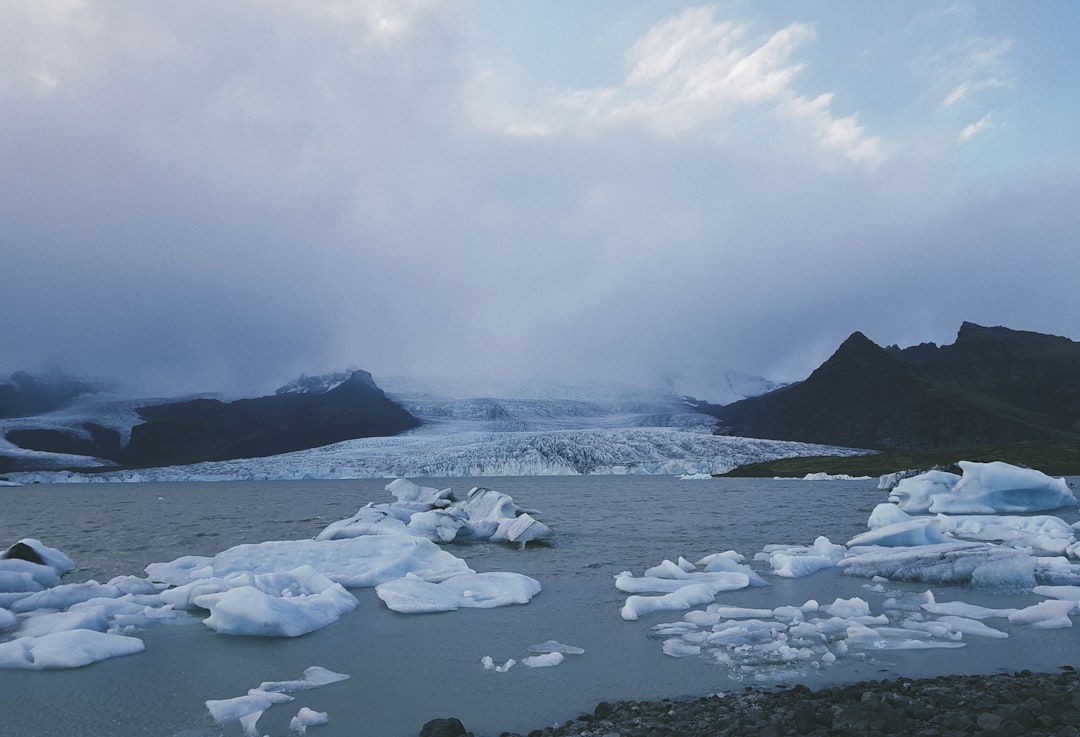
Iceland's nickname becomes literal in winter when snow and ice contrast with geothermal hot springs and volcanic landscapes. Winter offers unique advantages including Northern Lights viewing, ice cave exploration, and a magical quality to familiar landscapes under winter's transformation.

The Golden Circle route, combining Þingvellir National Park, Geysir geothermal area, and Gullfoss waterfall, becomes even more impressive when frozen and snow-covered. Natural hot springs like the Blue Lagoon provide surreal experiences of soaking in warm water while snow falls around you and the Northern Lights potentially dance overhead.
Winter's limited daylight, with only 4-5 hours in December, might seem like a drawback but creates extended golden hours perfect for photography. The darkness also maximizes Northern Lights opportunities from September through March. However, winter weather can be severe, with roads sometimes impassable and flights delayed, requiring flexible schedules and comprehensive insurance.
Bruges, Belgium: Fairytale Winter Town
Medieval Bruges looks like a Christmas card year-round, but winter enhances its fairytale quality. The UNESCO World Heritage city center, with its cobbled streets, canals, and gabled houses, becomes even more magical when decorated with lights and dusted with snow.
The Christmas market in the Markt square features an ice skating rink and wooden chalets selling Belgian chocolates, waffles, and warming beverages. Unlike larger cities, Bruges maintains a intimate, manageable scale that allows thorough exploration in a long weekend. The city's famous chocolate shops, beer cafés, and restaurants provide plenty of reasons to duck inside when weather turns cold.
Bruges' compact size and excellent rail connections make it perfect for combining with visits to Brussels, Ghent, or even Amsterdam. All are within an hour or two by train, allowing multi-city winter itineraries that showcase different aspects of Low Countries culture and history.
Practical Winter Travel Tips for Europe
Packing Essentials: Layers are key to European winter travel. Bring thermal base layers, a warm mid-layer, and a waterproof, windproof outer shell. Quality gloves, a warm hat, and comfortable waterproof boots with good traction are essential. Scarves protect against wind and double as accessories for nicer restaurants.
Booking Strategies: Christmas market season and New Year's represent peak winter travel periods with corresponding higher prices and crowds. Consider visiting in January or February for lower prices and fewer tourists while still enjoying winter activities and scenery. Book accommodations near public transportation to avoid walking long distances in bad weather.
Transportation: European trains generally run reliably even in snow, making rail travel preferable to driving in winter conditions. However, budget extra time for weather delays. Rental cars require winter tires and sometimes chains in mountainous areas. Many cities offer excellent public transportation that's more practical than driving.
Health and Safety: Sidewalks and historic areas can become very slippery when wet or icy. Walk carefully and consider traction devices that slip over shoes. Stay hydrated despite cold weather, and protect skin from wind and cold. Comprehensive travel insurance covering winter sports and weather-related cancellations provides peace of mind.
Money-Saving Tips: Museum passes often provide better value in winter when you'll spend more time indoors. Many hotels drop prices significantly outside Christmas market periods. Lunch specials at restaurants offer the same food as dinner menus at lower prices. Free walking tours provide excellent orientation and insider tips in most major cities.
What to Expect: Winter in Europe
European winter weather varies dramatically by region. Mediterranean countries like Spain, Italy, and southern France offer mild winters perfect for sightseeing with fewer crowds, though some coastal resorts close for the season. Central Europe experiences cold, sometimes snowy winters ideal for Christmas markets and winter atmosphere. Northern Europe faces harsh winters with limited daylight but offers unique experiences like Northern Lights and Arctic activities.
Daylight hours decrease significantly, especially in northern regions. December brings only 7-8 hours of daylight in Central Europe and as little as 4-5 hours in Scandinavia. This affects sightseeing schedules but creates beautiful extended golden hours and cozy evening atmospheres. Cities compensate with festive lighting and indoor attractions.
Tourist crowds thin considerably outside Christmas market periods, making winter ideal for visiting popular attractions without summer queues. Major museums, palaces, and landmarks remain open year-round, offering more enjoyable experiences with space to appreciate art and architecture. Restaurants and shops in tourist areas maintain normal hours in cities, though some attractions in smaller towns may reduce hours or close entirely.
Conclusion: Embracing European Winter
Winter reveals Europe's authentic character beyond the tourist season facade. The combination of festive traditions, dramatic winter landscapes, cozy cultural experiences, and practical advantages of lower prices and fewer crowds make it an ideal time for European travel. Whether you seek Alpine adventure, Christmas market romance, Northern Lights magic, or simply want to explore iconic cities in a different season, European winter offers something special.
The key is embracing the season rather than fighting against it. Dress appropriately, plan for shorter daylight hours, build flexibility into schedules for weather, and appreciate the unique atmospheres that only winter provides. The reward is discovering Europe at its most authentic and magical, creating memories that stand out from typical summer vacation experiences.
From the Arctic wilderness of Lapland to the Mediterranean mild winters, from world-class Alpine skiing to historic Christmas markets in medieval towns, winter Europe offers diverse experiences for every type of traveler. Start planning your European winter adventure now, and discover why those in the know consider this the continent's best-kept seasonal secret.