Southeast Asia has long been a favorite destination for travelers seeking adventure, culture, and natural beauty. While iconic spots like Bali, Bangkok, and Halong Bay continue to draw millions of visitors annually, the region harbors countless lesser-known treasures waiting to be discovered by intrepid explorers.
After spending over seven years traveling throughout Southeast Asia and calling Thailand home for three years, I've developed a deep appreciation for the region's hidden corners. These places offer something even more valuable than Instagram-worthy views: authentic connections with local cultures and unspoiled natural environments that transport you away from the well-trodden tourist paths.
Kampot, Cambodia: The Riverside Gem
While most visitors rush between Phnom Penh and Siem Reap, the sleepy riverside town of Kampot offers a refreshing alternative. Nestled along the Kampot River with the Elephant Mountains providing a dramatic backdrop, this French colonial town moves at a pace that encourages you to slow down and savor life.
The town is famous for its pepper farms, which produce some of the world's finest peppercorns. Visiting these farms provides insight into traditional farming methods and offers tastings that will forever change how you think about this common spice. Beyond pepper, Kampot serves as a base for exploring Bokor National Park, salt fields, and secluded river islands.
The culinary scene here punches well above its weight, with restaurants serving everything from traditional Khmer dishes to innovative fusion cuisine. Sunset cruises on the river cost just a few dollars and provide front-row seats to one of nature's most spectacular daily performances.
Cat Ba Island, Vietnam: Beyond Halong Bay
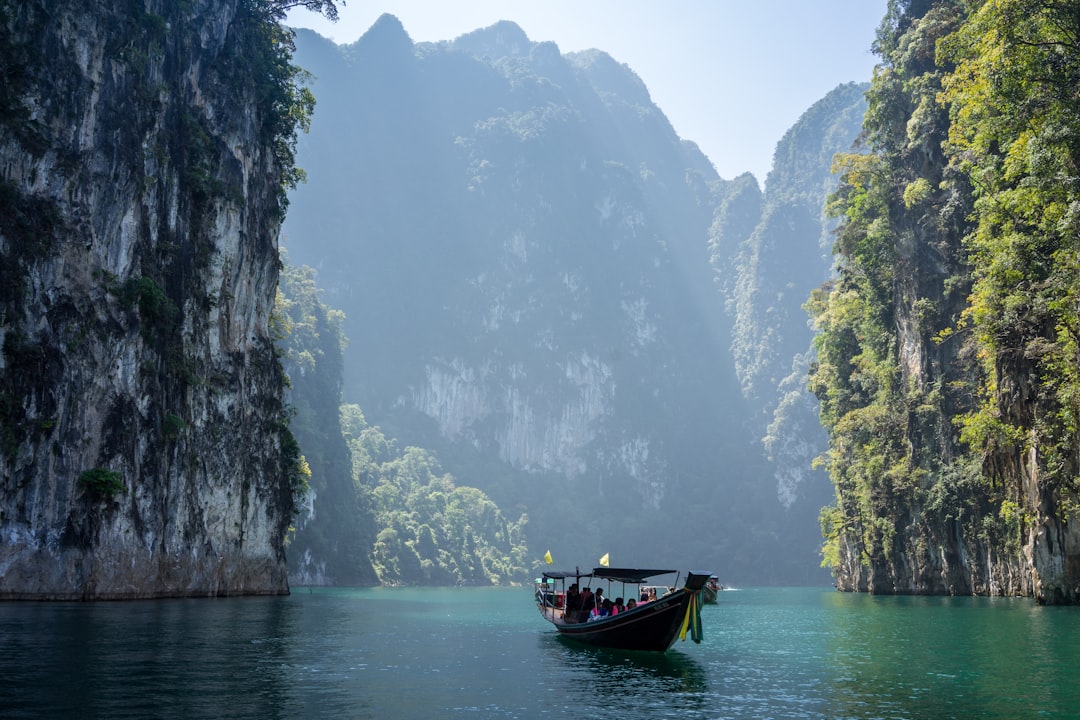
Most travelers flock to Halong Bay for its famous limestone karsts, but neighboring Cat Ba Island offers similar scenery with far fewer crowds. This rugged island combines pristine beaches, jungle-covered mountains, and traditional fishing villages into one compact destination.
Cat Ba National Park covers nearly half the island and is home to the endangered Cat Ba langur, one of the world's rarest primates. Hiking trails wind through primary rainforest, emerging at viewpoints that overlook the emerald waters of Lan Ha Bay. Rock climbing enthusiasts will find some of Southeast Asia's best routes on the island's limestone cliffs.

The island's main town retains an authentic Vietnamese character despite growing tourism. Night markets serve fresh seafood at incredible prices, and the waterfront promenade comes alive with locals exercising and socializing each evening. Multi-day kayaking expeditions allow you to explore Lan Ha Bay's 300 islands at your own pace, camping on beaches and visiting floating fishing villages.
Pai, Thailand: Mountain Valley Paradise
Tucked into a valley in northern Thailand's mountains, Pai has evolved from a backpacker secret to a beloved destination for those seeking a laid-back atmosphere and stunning natural beauty. The journey itself, involving 762 curves over mountain roads, sets the tone for this special place.
Despite its popularity, Pai retains a village atmosphere where everyone travels by scooter or bicycle, and the pace of life encourages lingering over coffee and conversations. The surrounding countryside offers waterfalls, hot springs, and the iconic Pai Canyon, where you can watch sunset from narrow ridgelines overlooking the valley.
What makes Pai truly special is its creative community. Artists, musicians, and digital nomads from around the world have created a vibrant cultural scene. Night markets showcase handmade crafts, live music fills the air from multiple venues, and yoga studios and wellness centers cater to those seeking rejuvenation.

Siargao Island, Philippines: The Surfer's Paradise
While the Philippines boasts over 7,000 islands, Siargao stands out for its perfect combination of world-class surfing and untouched natural beauty. Cloud 9, the island's most famous wave, attracts surfers from around the globe, but beyond this iconic break lies an island of incredible diversity.
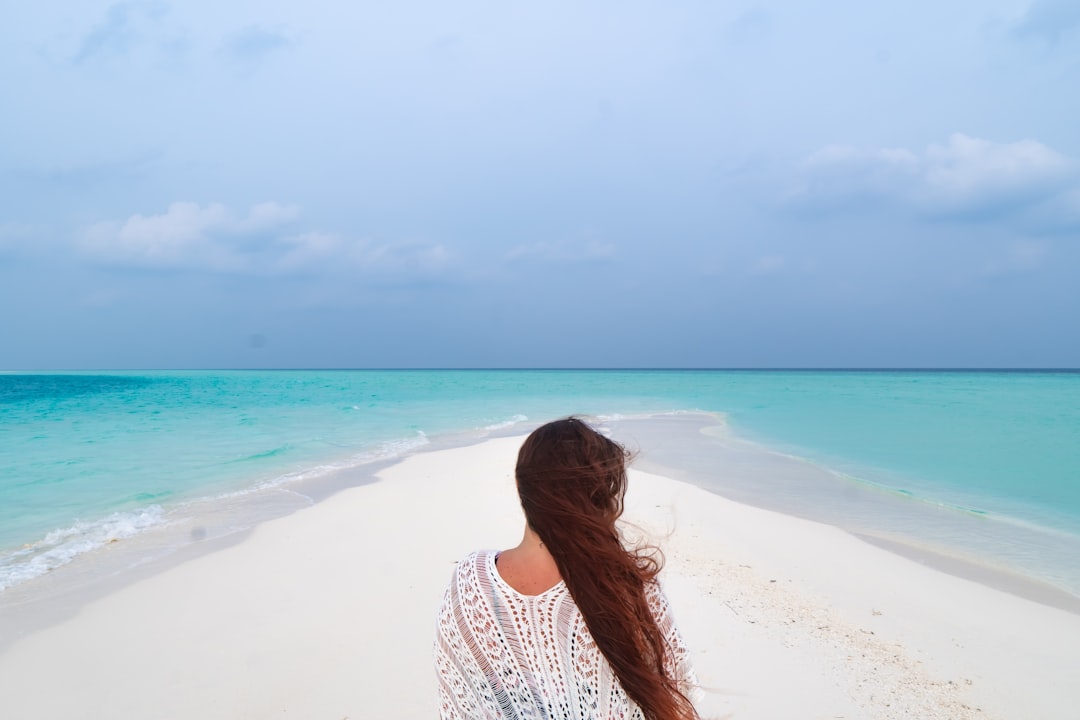
The island's interior features mangrove forests, rock pools, and caves waiting to be explored. Island-hopping tours take you to pristine sandbars, hidden lagoons, and deserted islands where you might be the only visitors. Sugba Lagoon, with its crystal-clear waters and unique ecosystem, provides excellent paddleboarding and swimming.
Unlike many developed surf destinations, Siargao maintains its Filipino character. Local families still fish from traditional boats, coconut plantations cover much of the island, and the main town of General Luna feels more like a laid-back village than a tourist hub. Accommodations range from budget beach huts to luxury eco-resorts, all emphasizing sustainability and low-impact tourism.
Hsipaw, Myanmar: Trekking Through Time
In Myanmar's northern Shan State, the town of Hsipaw serves as a gateway to some of Southeast Asia's most authentic trekking experiences. Unlike heavily touristed trekking routes elsewhere in the region, trails around Hsipaw pass through villages where traditional ways of life continue largely unchanged.

Multi-day treks lead through terraced rice fields, tea plantations, and forests, with overnight stays in village homes where families share their daily lives with visitors. The region is home to several ethnic minorities, including Shan, Palaung, and Lisu peoples, each with distinct languages, customs, and traditional dress.
Hsipaw town itself charms visitors with its relaxed atmosphere and colonial-era architecture. The morning market brings together villagers from surrounding areas, creating a colorful spectacle of traditional dress, local produce, and handmade goods. The ruins of the Shan Palace and nearby monasteries offer glimpses into the region's royal past.
Flores Island, Indonesia: Dragons and Diversity
While Bali attracts millions, Flores Island in eastern Indonesia remains relatively untouched by mass tourism. This long, narrow island offers an incredible diversity of landscapes and cultures, from volcanic peaks to traditional villages where ancient animist beliefs persist.
The island serves as the jumping-off point for Komodo National Park, home to the famous Komodo dragons. However, Flores itself deserves extended exploration. The tri-colored crater lakes of Kelimutu volcano create an otherworldly landscape that changes colors due to volcanic gases. Traditional villages like Wae Rebo, perched high in the mountains, maintain centuries-old customs and distinctive conical houses.
The coastal town of Labuan Bajo has developed into a comfortable base with good hotels and restaurants while retaining its fishing village character. From here, liveaboard boats explore not just Komodo but also lesser-known islands with pristine reefs, pink sand beaches, and uninhabited islands perfect for Robinson Crusoe fantasies.
Practical Tips for Exploring Hidden Southeast Asia
Venturing beyond the typical tourist circuits requires some additional preparation but rewards you with more authentic experiences and often lower costs. Here are essential tips for exploring Southeast Asia's hidden gems:
Travel During Shoulder Season: Visiting these destinations in April-May or September-October means fewer crowds, lower prices, and better opportunities to interact with locals. Weather might be less predictable, but you'll often have entire beaches or viewpoints to yourself.
Learn Basic Local Phrases: In less-touristed areas, English proficiency drops significantly. Learning simple greetings, numbers, and courtesy phrases in the local language opens doors and shows respect for local culture.
Be Flexible with Accommodations: Hidden destinations often lack five-star hotels, but guesthouses and homestays provide more authentic experiences and direct economic benefits to local families. Book the first night but remain open to changing plans based on local recommendations.
Respect Local Customs: Away from tourist centers, communities might be more traditional and conservative. Research appropriate dress, behavior expectations, and customs before arrival, and observe how locals behave in religious sites and public spaces.
Support Local Businesses: Choose locally-owned restaurants, tour operators, and shops over international chains. This ensures your tourism dollars benefit the community directly and provides more authentic experiences.
Conclusion: The Road Less Traveled
Southeast Asia's hidden gems offer something increasingly rare in our connected world: the opportunity to explore places where tourism hasn't yet overwhelmed local culture, where you can forge genuine connections with people and places, and where every day brings unexpected discoveries.
These destinations require more effort to reach and might lack some conveniences of more developed tourist areas, but that's precisely their appeal. The rewards for those willing to venture off the beaten path include deeper cultural insights, more meaningful interactions, and memories of places still relatively untouched by mass tourism.
As these destinations inevitably become more popular, visiting now allows you to experience them at a special moment in their development when authenticity and tourism coexist in balance. The key is traveling responsibly, respecting local cultures, and supporting sustainable tourism practices that will preserve these special places for future generations.