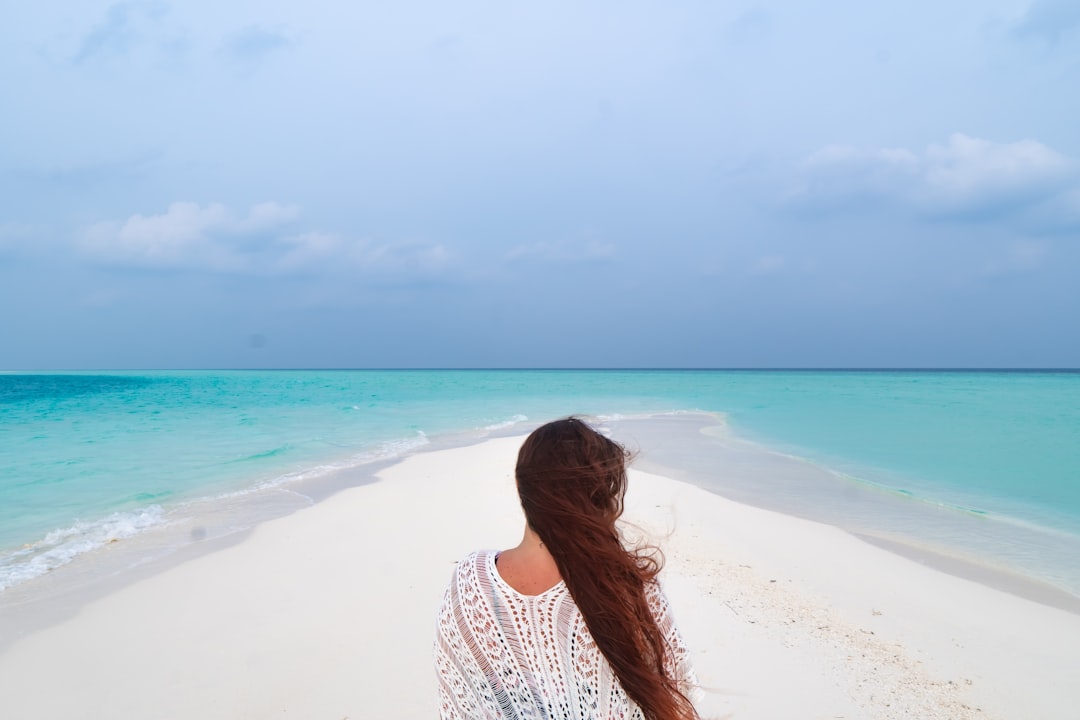
The belief that meaningful travel requires significant financial investment prevents many people from exploring the world. In reality, with smart planning, flexible thinking, and insider knowledge, it's entirely possible to have enriching travel experiences on virtually any budget. The key lies not in cutting corners on quality but in making informed choices that maximize value.
Over the past decade, I've helped hundreds of clients design memorable trips that fit within tight budgets, and I've personally traveled to over sixty countries while maintaining reasonable expenses. This guide shares the most effective strategies for budget travel, from finding cheap flights to experiencing destinations authentically without overspending.
Finding Affordable Flights: The Foundation of Budget Travel
Airfare typically represents the largest single expense in any trip budget, making it the most important area for potential savings. Fortunately, the competitive airline industry and numerous booking tools make finding deals easier than ever for those who know where to look and when to book.

Be Flexible with Dates and Destinations: The single most effective way to reduce flight costs is flexibility. Flying mid-week rather than weekends often saves hundreds of dollars. Similarly, traveling during shoulder seasons—the periods between high and low seasons—offers significantly lower fares while still providing good weather and fewer crowds. If your vacation dates are flexible, use flight search engines' flexible date calendars to compare prices across multiple days or even months.
Use Multiple Search Engines: No single booking site consistently offers the lowest prices, so checking multiple platforms increases your chances of finding deals. Start with metasearch engines like Skyscanner, Kayak, and Google Flights, which aggregate results from numerous airlines and booking sites. However, always verify the final price directly on the airline's website, as sometimes booking direct offers lower prices or better change/cancellation policies.
Consider Alternative Airports: Major cities often have multiple airports, and flying into or out of a smaller alternative airport can reduce costs substantially. For example, flying into Oakland instead of San Francisco, or Beauvais instead of Charles de Gaulle in Paris, often saves money despite requiring additional ground transportation. Similarly, positioning flights—where you take a cheap flight to a major hub, then an international flight from there—sometimes beat direct routing prices.
Set Price Alerts and Be Patient: Flight prices fluctuate constantly based on demand, competition, and airline revenue management systems. Setting price alerts on sites like Hopper, Skyscanner, or Google Flights notifies you when fares drop to your target price. Generally, booking international flights 2-3 months in advance offers the best balance between availability and pricing, though sales can happen anytime. For domestic flights, 1-2 months ahead typically works best.
Accommodation Strategies That Save Money
Accommodation costs can quickly consume a travel budget, but numerous alternatives to expensive hotels provide comfortable, sometimes more authentic experiences at a fraction of the cost. The key is matching accommodation type to your travel style and priorities.
Hostels Aren't Just for Young Backpackers: Modern hostels have evolved far beyond the basic dormitories of decades past. Many now offer private rooms with ensuite bathrooms at prices well below budget hotels, along with communal kitchens that reduce dining costs. The social atmosphere helps solo travelers meet others and get insider tips from fellow guests and staff. Websites like Hostelworld and Booking.com make comparing options and reading reviews easy.
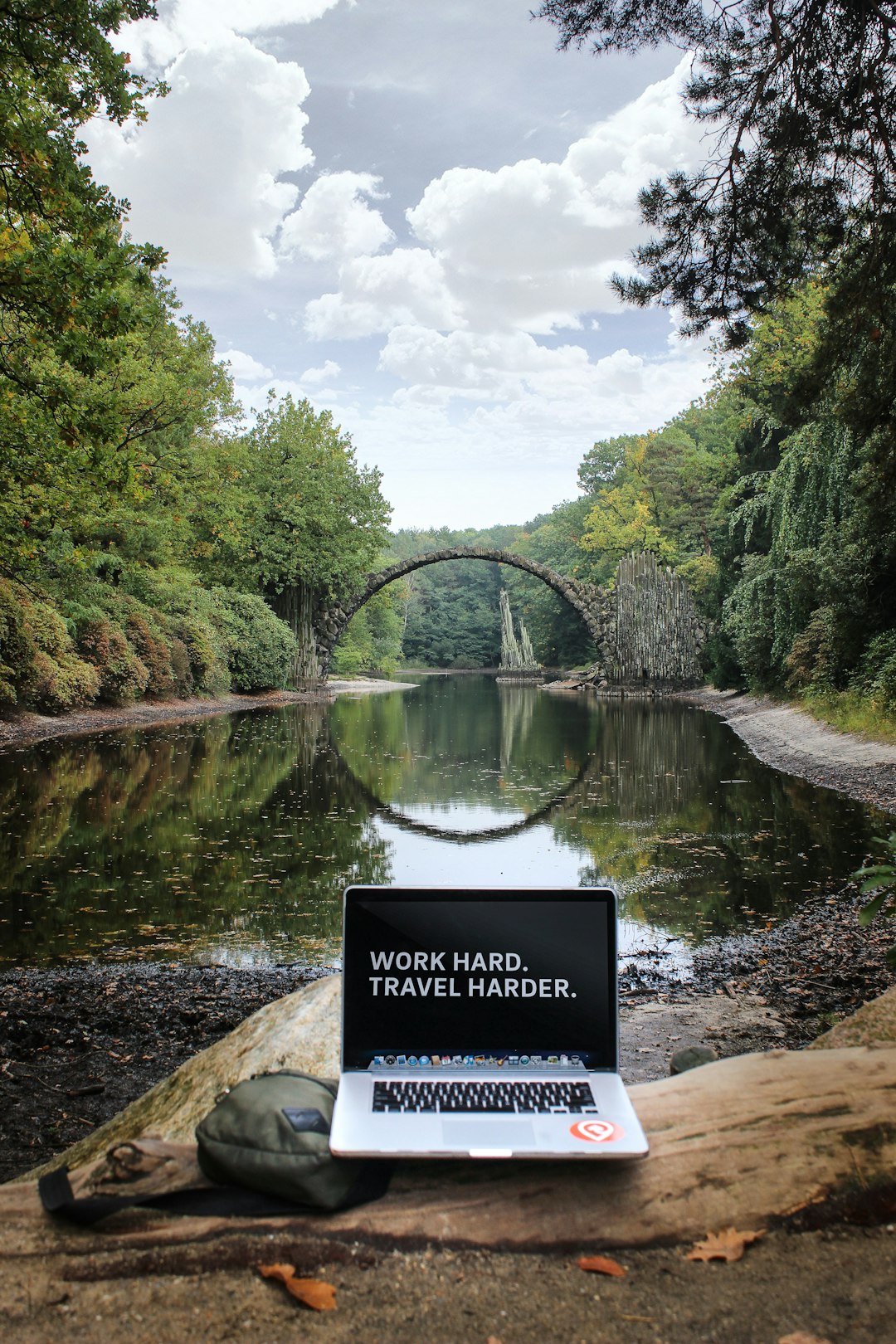
Embrace Alternative Accommodations: Vacation rental platforms like Airbnb and Vrbo often provide better value than hotels, especially for groups or longer stays. Having a kitchen saves money on dining out, while staying in residential neighborhoods offers authentic local experiences. However, compare total costs including cleaning fees and service charges, which can make seemingly cheap nightly rates less attractive.
Consider House-Sitting or Home Exchanges: House-sitting platforms connect travelers with homeowners who need someone to watch their property and pets while they're away. In exchange for basic caretaking duties, you get free accommodation, often in desirable locations with full home amenities. Home exchange networks allow you to swap homes with someone in your desired destination, eliminating accommodation costs for both parties.
Location and Timing Matter: Accommodations just outside tourist centers often cost significantly less while still providing easy access via public transportation. Similarly, staying Sunday through Thursday rather than Friday and Saturday typically offers lower rates. Booking last-minute through apps like HotelTonight sometimes yields deals, though this strategy risks limited availability during busy periods.
Eating Well Without Breaking the Bank
Food represents a major daily expense when traveling, but eating well on a budget is absolutely achievable without resorting to fast food or sacrificing the culinary experiences that enrich travel. The key is eating like locals rather than tourists.
Markets and Grocery Stores: Shopping at local markets and grocery stores not only saves money but provides cultural insights and opportunities to interact with locals. Many destinations have incredible street food scenes where vendors sell authentic local dishes at a fraction of restaurant prices. Preparing some meals in hostel or vacation rental kitchens significantly reduces dining costs while allowing you to experiment with local ingredients.
Lunch Specials and Set Menus: Restaurants in many countries offer lunch specials or prix-fixe menus with multiple courses at prices well below dinner à la carte ordering. Having your main meal at midday allows you to experience nice restaurants affordably while having lighter, cheaper dinners. Many European countries have "menu of the day" offerings, while Asian countries often have business lunch sets.
Research Where Locals Eat: Tourist-area restaurants typically charge premium prices for mediocre food. Venture into residential neighborhoods where locals dine to find better food at lower prices. Apps like Google Maps reviews, HappyCow for vegetarian options, and asking locals or accommodation hosts for recommendations helps identify authentic, affordable options.
Free and Low-Cost Activities
Expensive tours and attractions aren't necessary for meaningful destination experiences. Many of the best travel moments come from free or inexpensive activities that provide authentic insights into local culture and daily life.

Free Walking Tours: Most major cities offer free walking tours where knowledgeable locals provide historical and cultural context while showing you around key neighborhoods and attractions. These tours typically run on tips, so you pay what you feel the experience was worth. They provide excellent orientation when you first arrive and often include recommendations for restaurants, activities, and hidden gems.
Museums and Attractions: Research free admission days or times at major museums and attractions. Many institutions offer free or discounted entry during specific hours or days of the week. City tourism cards sometimes provide free or discounted admission to multiple attractions plus public transportation, potentially saving significant money if you plan to visit several sites.
Natural Attractions: Beaches, parks, hiking trails, viewpoints, and other natural attractions typically cost nothing but provide some of the most memorable travel experiences. Many destinations' highlights—watching sunset from a scenic viewpoint, swimming in natural pools, hiking to waterfalls—don't require entrance fees or tour companies.
Cultural Immersion: Attending local festivals, markets, religious ceremonies, and community events provides authentic cultural experiences for free or minimal cost. Watching locals play sports, visiting public gardens, people-watching at cafés, and simply wandering neighborhoods observing daily life costs nothing but offers genuine insights into local culture.
Transportation: Getting Around for Less
Public Transportation: Using buses, trains, and subways rather than taxis or private transfers saves substantial money while providing more authentic local experiences. Many cities offer day passes or tourist cards that include unlimited public transportation. In developing countries, local buses and trains cost fractions of tourist shuttle prices.
Walking and Cycling: Many destinations are perfectly suited to exploration on foot or bicycle. Walking provides the most intimate experience of a place, allowing you to discover details and unexpected gems you'd miss from vehicles. Many cities now have bike-sharing programs with affordable daily or weekly rates.
Ride-Sharing and Carpooling: Apps like BlaBlaCar connect travelers with drivers heading the same direction, splitting fuel costs. This works especially well in Europe for intercity travel. Ride-sharing apps like Uber often cost less than traditional taxis and provide transparent pricing.
Budget Travel Destinations
Some destinations simply offer better value than others, with lower costs of living translating to cheaper experiences for travelers. Southeast Asia, Central America, Eastern Europe, and parts of South America provide particularly good value without sacrificing quality experiences.

Southeast Asia: Countries like Thailand, Vietnam, Cambodia, and Laos offer incredible value with accommodation, food, and activities at very low prices by Western standards. You can travel comfortably on $30-50 per day including decent accommodation, all meals, and activities.
Eastern Europe: Poland, Hungary, Romania, and the Balkans provide rich history, beautiful cities, and dramatic landscapes at prices significantly lower than Western Europe. Cultural attractions, accommodations, and meals cost a fraction of prices in France or Italy while offering equally compelling experiences.
Central America: Guatemala, Nicaragua, and Honduras offer Mayan ruins, colonial cities, natural beauty, and beach destinations at budget-friendly prices. English is less common than in some destinations, but this enhances the adventure and authentic cultural immersion.
Money Management and Practical Tips
Use Credit Cards Wisely: Travel credit cards offering no foreign transaction fees and travel rewards provide real savings. Some cards include travel insurance, lost luggage protection, and other benefits that provide additional value. However, always pay balances in full to avoid interest charges that negate any rewards.
Withdraw Cash Strategically: Use ATMs for currency exchange rather than airport exchange counters or hotels, which typically offer poor rates. Withdraw larger amounts less frequently to minimize ATM fees, but not so much that you're left with excess currency when leaving. Notify banks of travel plans to avoid cards being frozen for suspected fraud.
Budget Tracking: Monitor spending daily using apps or a simple notebook to ensure you're staying within budget. This awareness prevents end-of-trip financial stress and helps identify areas where you're overspending or could allocate more funds.
Travel Insurance: Don't skip travel insurance to save money. Medical emergencies, trip cancellations, and lost luggage can cost thousands of dollars. Comprehensive insurance provides peace of mind at relatively low cost, especially for longer trips or adventurous activities.
The Mindset of Budget Travel
Successful budget travel requires shifting perspective from "how can I afford this?" to "how can I experience this differently?" It's not about deprivation but about making intentional choices that align spending with personal values and priorities.
Perhaps you splurge on an incredible local meal but stay in a basic guesthouse. Maybe you skip expensive tours in favor of self-guided exploration with a local guide book. The goal isn't minimum spending but maximum value—getting the richest possible experiences from available resources.
Budget travel often leads to more authentic experiences than luxury tourism. Staying in local neighborhoods, eating at neighborhood restaurants, using public transportation, and finding free activities naturally connects you with local culture and people in ways that staying in international chain hotels and taking organized tours rarely does.
Conclusion: Travel Is More Accessible Than You Think
The world is more accessible than ever for those willing to travel smart rather than expensive. By implementing the strategies outlined in this guide, you can have rich, meaningful travel experiences on budgets once thought impossible. The key elements—flexible dates and destinations, smart accommodation choices, eating locally, prioritizing free and low-cost activities, using public transportation, and choosing affordable destinations—combine to make regular travel achievable even on modest incomes.
Remember that budget travel doesn't mean bad travel. Some of my most memorable experiences happened while traveling on tight budgets, from cooking with a local family in rural Vietnam to hiking through spectacular landscapes accessible only by local bus. Constraints often enhance rather than diminish travel, forcing creative solutions and authentic connections.
Start planning your budget-friendly adventure today. The world is waiting, and it's more affordable than you think.